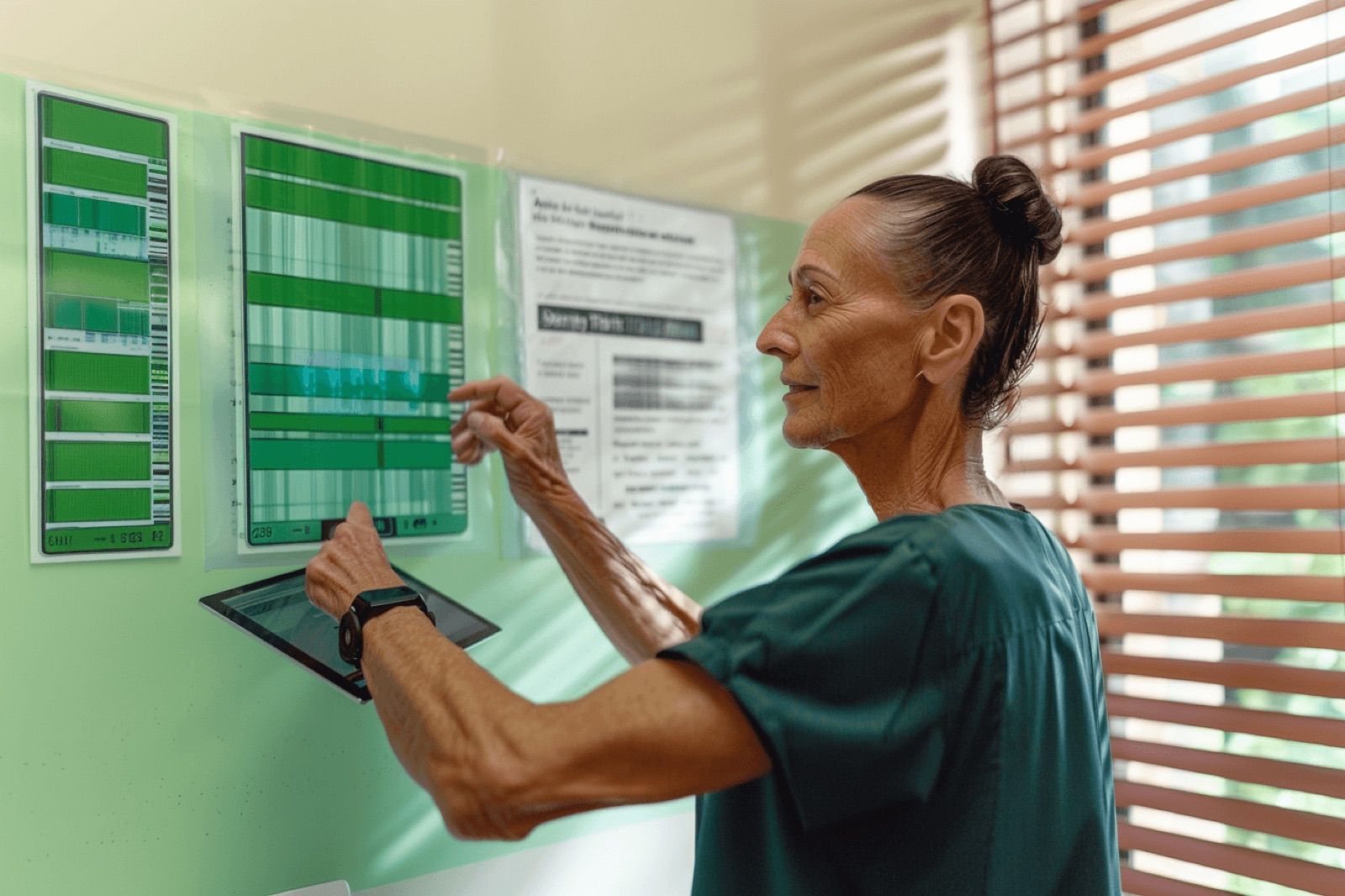
Dr. Anya Sharma scrolled through her queue, a small smile forming. A decade ago, during the "Great Healthcare Crunch," the NHS in Neo-London had nearly collapsed. Specialists were overworked, diagnostic scans took weeks to read, patients languished on waiting lists. Anya remembered the crushing fatigue, the impossible ethical dilemmas.
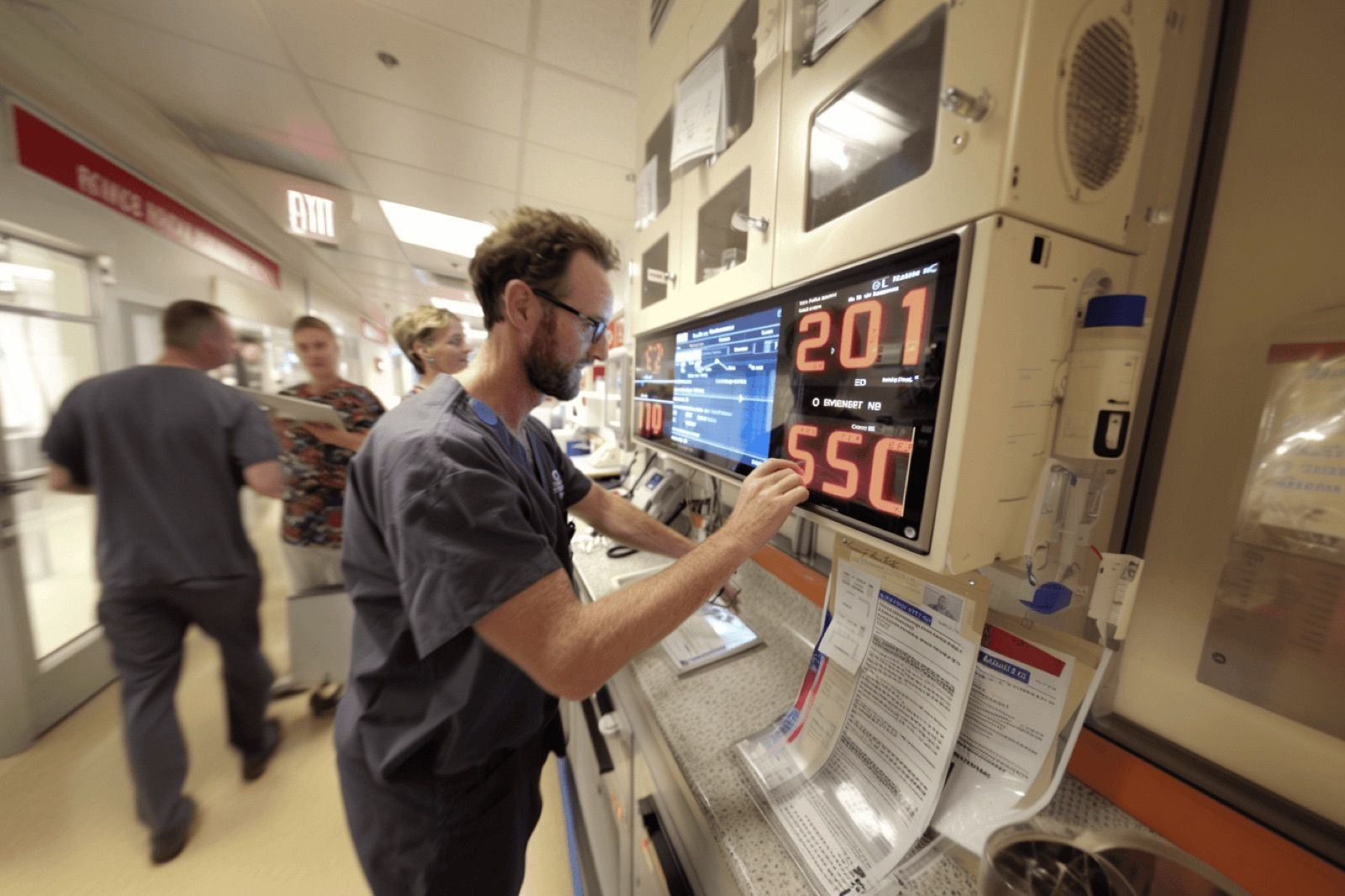
Now, things were different. Thanks to the Public Utility AI Act, every primary care clinic had advanced diagnostic AI. Her tablet displayed a colour-coded list: red for critical, amber for urgent, green for routine. Each entry linked to analysis from "MediScan," the national diagnostic AI that could process an MRI in minutes and suggest treatment pathways with 98% accuracy.
"Next patient, Mrs. Albright," Anya murmured. The AI had flagged her lung scan as amber—suspected early-stage nodule. Before AI, that scan might have sat unread for weeks. Now, Anya had a detailed report before Mrs. Albright even sat down.
The system wasn't perfect. Critical cases still demanded immediate human oversight, and routine check-ups could take a day or two. But agonizing weeks-long waits for crucial diagnoses were gone. Anya could focus on the human connection—explaining findings, offering comfort and reassurance. She was no longer battling overwhelming demand; she was orchestrating a symphony of swift, intelligent care.